

The Birthday Post
On motherhood, an incredible book, and never stopping.

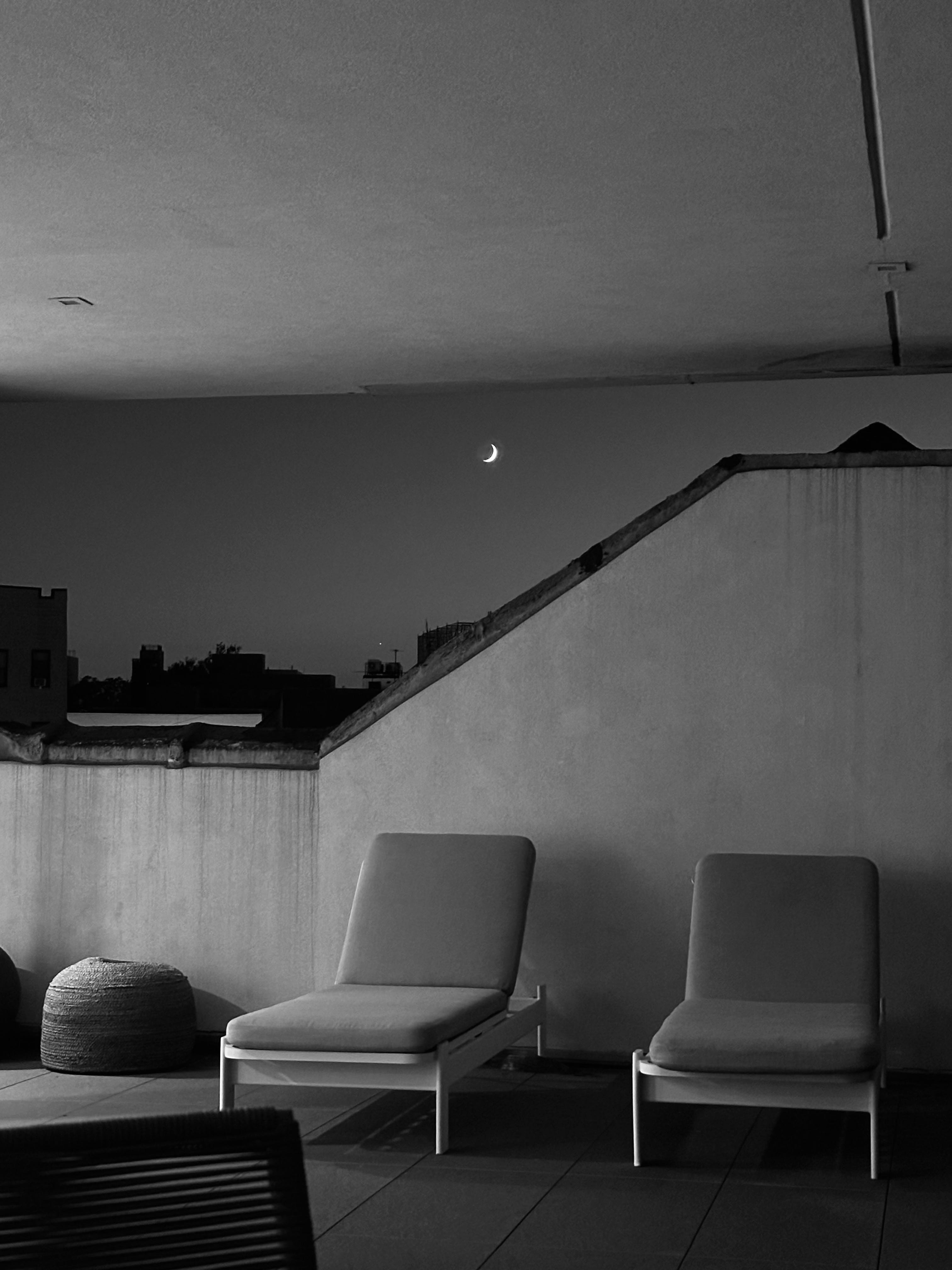
Today is my birthday! I turn 37 years old.
That age feels entirely too mature for my liking. I still feel like I’m 23 in my head. Not in the annoying way us millennials cling to nostalgia, though. More often these days, I find myself confronting the very disorienting and frightening way time has collapsed in on itself for the last 15 years. Every year moves faster. And distant eras of my past still somehow feel reachable. I can replay moments, dances, conversations in my head so vividly that it feels almost impossible that they’re gone forever.
Memories form whether you want them to or not. And we are beholden to all of them. The delicious ones; hands made sticky from the juiciest mangos in the summer time. The painful ones; texting your best friend that you and your boyfriend are breaking up and it feels like the world is ending. And all the other ones; cooking dinner with your beloved during an early day of the pandemic, walking to work on a crisp and sunny Edmonton autumn morning (my favourite), your first day of your first real “big girl” job and you’re 23 years old and your life seems to stretch out infinitely in front of you. Things like marriage, children, and heartbreak that makes you fall to your knees all feel so far away, and so very much like Other People things, that you don’t pay much attention to them.
There will be plenty of time to think about those things. But right now, you’re 23 years old and none of that matters.
Today is my birthday. I turn 37 years old.
Lately, I’ve been kind of feeling beat up by life and motherhood, simply because both of those things are relentless. I joke with my husband that if this season of my life had a name, it would be One Battle After Another. LOL. Shoutout to Paul Thomas Anderson. Anyway! I’ve been reading The White Hot, Quiara Alegría Hudes’ debut novel. It’s a terrifying book in the sense that, at its simplest core, it’s about a single mom who walks away from her child and family. Terrifying, right? But to say that it’s terrifying is to say that this book defiantly names (and pushes back against) one of the central forces of contemporary motherhood: being rendered invisible. There is a kind of flattening that happens to women when they become mothers. Your life splits into the Before and the After. Your heart leaves your body and beats in your child’s. Your mind purges information, names you just learned, tasks to remember to make room for only the most critical: keeping your newborn baby alive and well. You bleed. My God, you bleed. And as I’m coming to learn, I don’t think mothers ever stop bleeding. There is a well-hidden clause of grief in the motherhood contract: oh yes, this will be the greatest joy of your life. You won’t remember how you lived before your child. You won’t want to. You will scroll through photos of your child as soon as they fall asleep because you already miss them. You will eat, sleep, breathe your child. But there is no stopping. Your heart will break and break and break. Over and over again. The first day of school. The first time they prefer someone else. The first time they pronounce a word correctly. The first time you see the world bruise them. Each milestone is both miracle and severing. Each year, they grow toward themselves and a little more away from you.
There is no stopping.
You have to keep going.
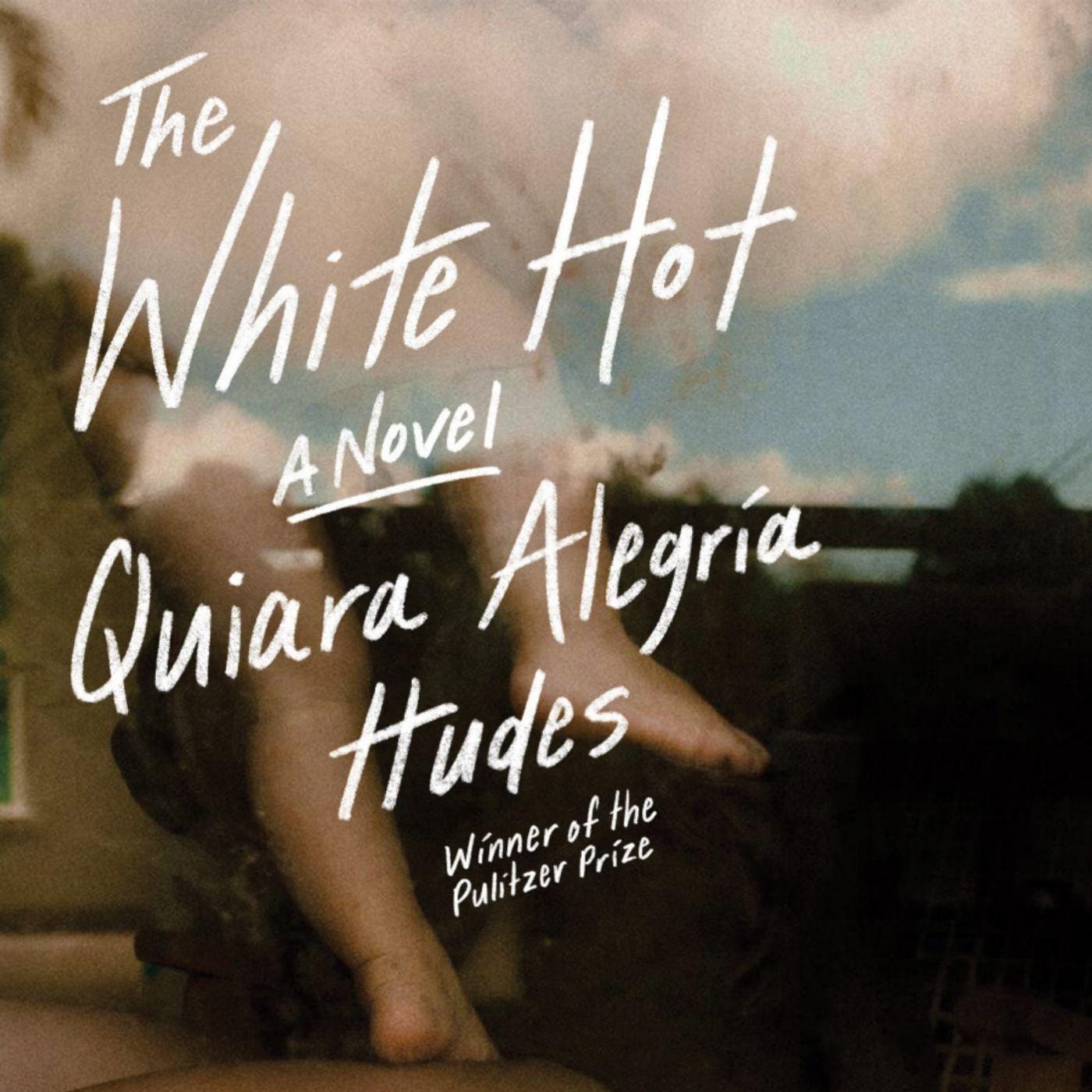
The novel is written as a letter from April Soto to her daughter, to be opened when she turns eighteen. It circles one impossible question: How could love look like leaving?
April describes “the white hot” as a kind of electrical fury that begins at the neck and blankets the body. A sheath of rage. A primal scream. She tries to smother it: ocean sounds in her headphones, mantras whispered into the dark, but it hums beneath her skin. And when she finally leaves, just for what she thinks will be twenty-four hours, she describes the relief of being somewhere that being alive is no longer an emergency.
What unnerved me most about The White Hot was not that April left. It was that she wanted something in the leaving. A decade back. A sliver of selfhood not organized around someone else’s need. She wanted to feel incandescent in her own body, not just useful. Saying it, she writes, felt like dying.
Mothers are allowed to be exhausted, even resentful in a socially acceptable, benign and joking way on Threads. But wanting — fiercely, selfishly, expansively — is too dangerous. It risks the flattening cracking open.
I don’t want to leave. I feel grateful that I don’t fantasize about Greyhound buses or disappearing into the woods. But I recognize that flicker at the neck. The quiet grief. Not grief for my child or my life. Grief for the versions of me that will not come back. The 23-year-old who believed time was an endless hallway. The young woman who could spend an entire weekend reading uninterrupted.
I am old enough now to see the arc. To understand that the grief is not a sign I have chosen wrong. It’s a sign that I have chosen fully. To love anything deeply, I think, is to consent to its eventual transformation. To mother is to agree, over and over, to a thousand small goodbyes. No matter how much it kills you.
April asks her daughter if love could look like leaving. I find myself asking something adjacent: can love look like staying, and still insisting on a self? Can love look like telling the truth about the cost, without diminishing the joy?
Today, on my 37th birthday, I feel both incandescent and tender. I feel the years behind me like rooms I can still walk into if I close my eyes. I no longer want to pretend that motherhood has not rearranged me down to the studs. It has. It has made my life smaller in some ways and unimaginably larger in others. Maybe the work is to hold it all at once: the girl of 23, the mother of now, the woman still wanting, still becoming.
Today is my birthday. I turn 37 years old.
There is no stopping.
This was such a beautiful read. I'm in the same season of motherhood, and I resonated so deeply with your words. Happy birthday And that photo of the moon...absolutely stunning.
this sentence is beautiful: "To love anything deeply, I think, is to consent to its eventual transformation."